Pan American Art Projects company logo
Pan American Art Projects
Skip to main content
  • Menu
  • Home
  • Artists
  • Exhibitions
  • Art Fairs
  • BLOG
  • Contact
  • About
  • EN
  • ES
Cart
0 items $
Checkout

Item added to cart

View cart & checkout
Continue shopping
Menu
  • EN
  • ES

Artworks

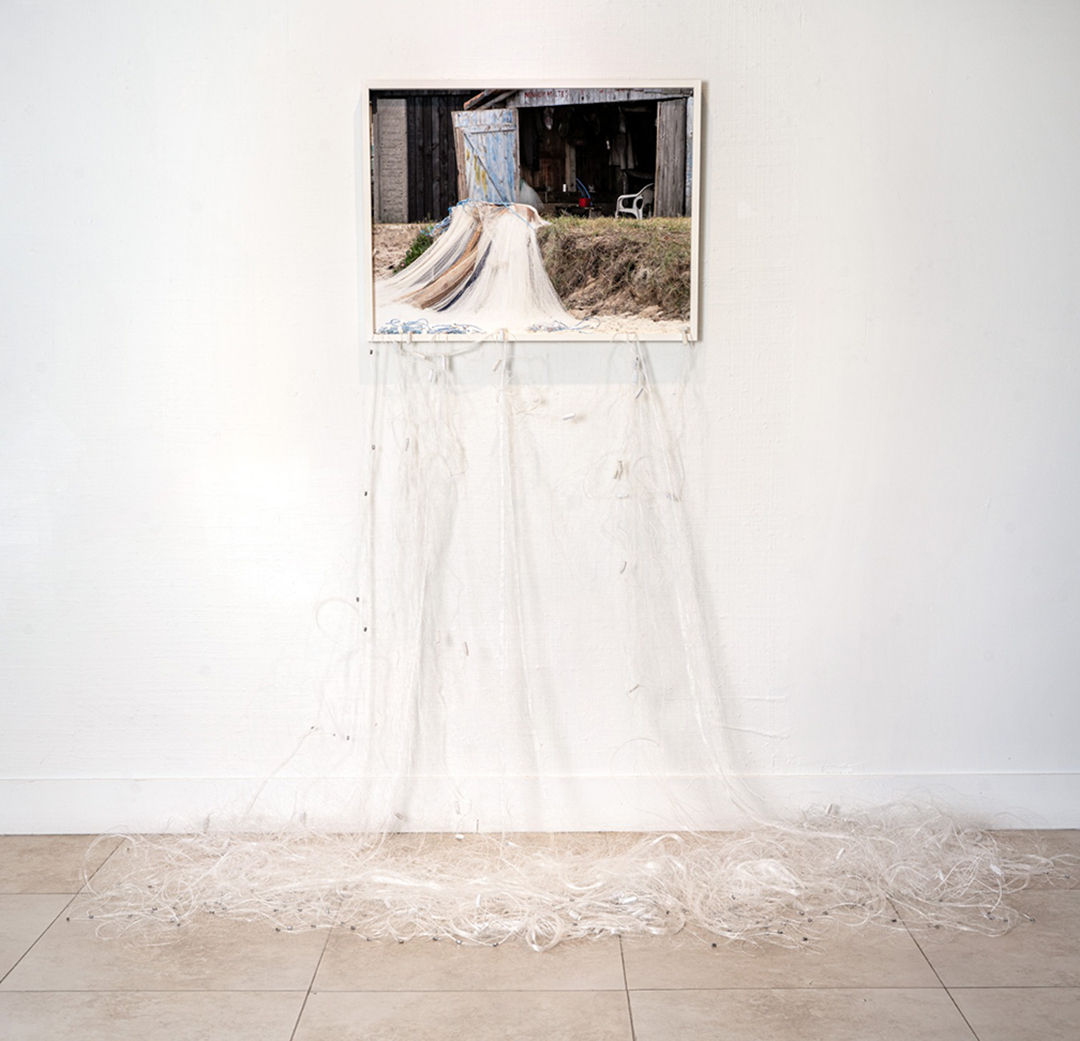
Vero Murphy, Pesca da Tainha, 2023

Vero Murphy

Pesca da Tainha, 2023
Mixed media: photograph printed on Epson Hot Press Bright Matt Fine Art Paper and fishing net
22 x 23 in
55.9 x 58.4 cm
MUR-048
Copyright The Artist
Inquire
%3Cdiv%20class%3D%22artist%22%3EVero%20Murphy%3C/div%3E%3Cdiv%20class%3D%22title_and_year%22%3E%3Cspan%20class%3D%22title_and_year_title%22%3EPesca%20da%20Tainha%3C/span%3E%2C%20%3Cspan%20class%3D%22title_and_year_year%22%3E2023%3C/span%3E%3C/div%3E%3Cdiv%20class%3D%22medium%22%3EMixed%20media%3A%20photograph%20printed%20on%20Epson%20Hot%20Press%20Bright%20Matt%20Fine%20Art%20Paper%20and%20fishing%20net%3C/div%3E%3Cdiv%20class%3D%22dimensions%22%3E22%20x%2023%20in%3Cbr/%3E%0A55.9%20x%2058.4%20cm%3C/div%3E
Her photographs and paintings documenting or capturing the atmosphere of rituality in the tradition of artisanal tainha fishing in the Santa Catarina region of Brazil are inspired by a natural...
Leer más

Her photographs and paintings documenting or capturing the atmosphere of rituality in the tradition of artisanal tainha fishing in the Santa Catarina region of Brazil are inspired by a natural phenomenon: in winter, as the waters become colder, schools of fish migrate from the south to the coast along the Brazilian shoreline to spawn, where the fishing communities await them. Traditionally, motorboats, diving, and all noisy sports or games are forbidden at this time. The wait is silent and long and only when perfect weather arrives, the fishermen go into the sea in wooden canoes to cast their nets, as did the ancient indigenous peoples in the region of Bombinhas and Florianpolis, also populated by immigrants who learned artisanal fishing. The Pesca da tainha series is also a celebration of the bounty of natural elements, and the predominant aquamarine color portrays a world of water where fish to feed humans are plentiful. 300,000 years ago, a member of the genus Homo took a clam shell and carved a zigzag inside it. Murphy extends in her work the immemorial gesture of the species that creates art around the obtaining of food and the primeval activities to procure it.


By Adriana Herrera Téllez PhD


Close full details

Provenance

The Artist
Share
  • Facebook
  • X
  • Pinterest
  • Tumblr
  • Email
Anterior / Anteriores
|
Siguiente
6550 
de  6800
Privacy Policy
Manage cookies
Copyright © 2026 Pan American Art Projects
Site by Artlogic
Facebook, opens in a new tab.
Twitter, opens in a new tab.
Youtube, opens in a new tab.
Instagram, opens in a new tab.
LinkedIn, opens in a new tab.
Artsy, opens in a new tab.
Send an email
Ver en Google Maps

This website uses cookies
This site uses cookies to help make it more useful to you. Please contact us to find out more about our Cookie Policy.

Manage cookies
Reject non essential
Accept

Cookie preferences

Check the boxes for the cookie categories you allow our site to use

Cookie options
Required for the website to function and cannot be disabled.
Improve your experience on the website by storing choices you make about how it should function.
Allow us to collect anonymous usage data in order to improve the experience on our website.
Allow us to identify our visitors so that we can offer personalised, targeted marketing.
Save preferences